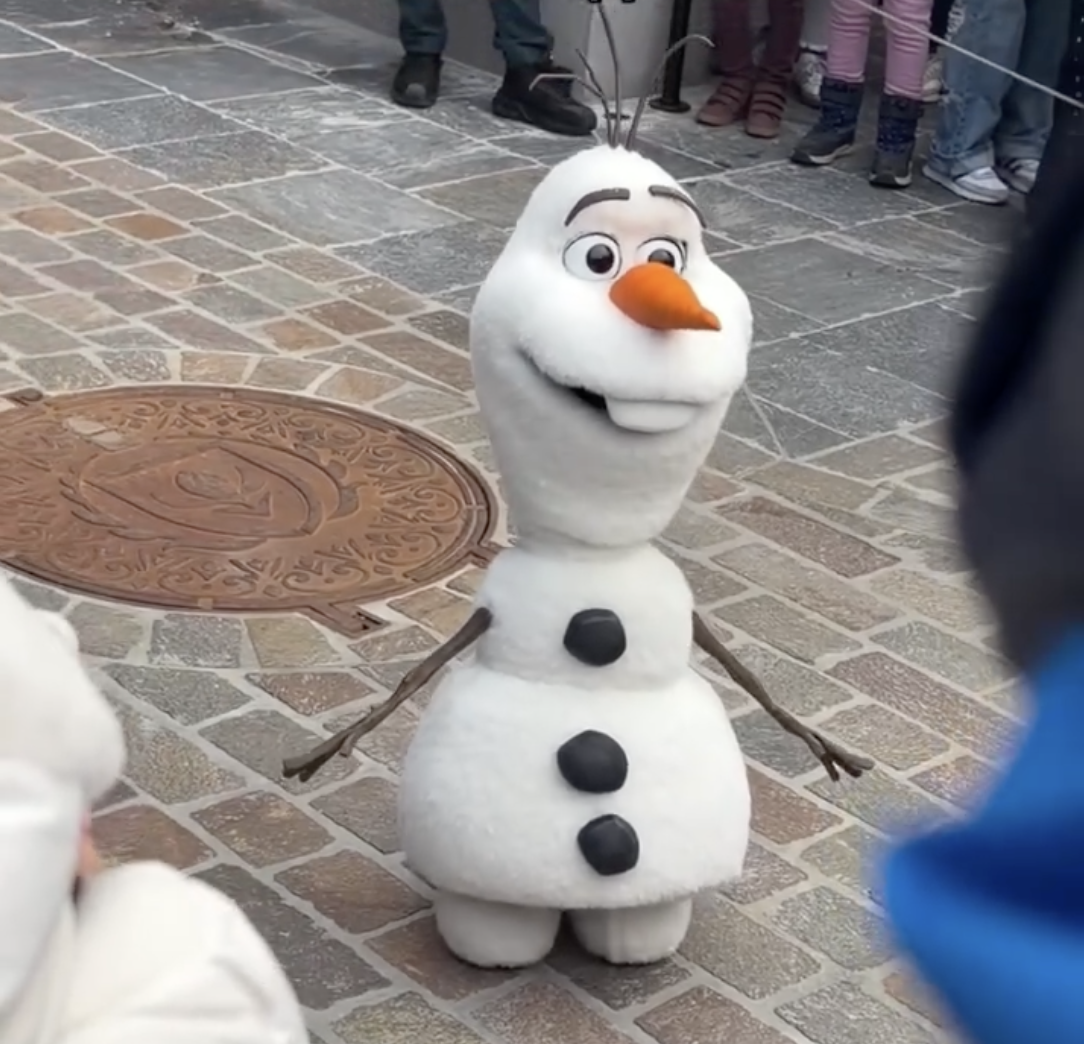
In the world of Disney magic, even the most advanced technology can have very human moments. This week, guests at Disney Adventure World in Disneyland Paris witnessed something both unexpected and oddly endearing: Olaf, the beloved snowman from Frozen, taking an unscripted tumble during his performance. The moment, captured on video by surprised onlookers, quickly went viral—but perhaps not for the reasons you might expect.
Rather than disappointment, the internet responded with an outpouring of affection for the high-tech animatronic, with many fans noting how the mishap somehow made Olaf even more loveable. After all, isn't stumbling and getting back up exactly what the optimistic snowman would do?
The Technology Behind the Magic
Disney's walking Olaf represents a significant leap forward in animatronic technology. Unlike traditional stationary figures, this advanced creation can move freely through spaces, interact with guests, and deliver performances with remarkable fluidity. The engineering behind such a feat is nothing short of extraordinary, involving sophisticated balance systems, motion sensors, and AI-driven programming that allows for natural-looking movement.
This isn't Disney's first foray into mobile animatronics. The company has been pushing boundaries for decades, from the groundbreaking Audio-Animatronics figures of the 1960s to more recent innovations like the free-roaming droids at Star Wars: Galaxy's Edge. Each advancement builds upon years of research, development, and yes—occasional stumbles along the way.
Learning from Every Step
What makes Disney's approach to technology so remarkable is their willingness to innovate publicly. When Walt Disney first introduced Audio-Animatronics at the 1964 World's Fair, there were technical hiccups then too. The difference is that today's social media landscape means every glitch becomes instant entertainment—and often, unexpected marketing gold.
The Olaf incident perfectly illustrates this phenomenon. Within hours of the video's posting, #OlafDown was trending, but the comments weren't critical. Instead, fans shared their own stories of Disney magic moments, both perfect and imperfect. Many noted how Cast Members quickly assisted the fallen snowman, turning a technical difficulty into a demonstration of Disney's commitment to guest experience.
The Human Touch in High-Tech Magic
What's particularly fascinating about this incident is how it humanized an already beloved character. Olaf's animated personality is built around his childlike wonder and resilience—qualities that his real-world tumble actually reinforced. Guests who witnessed the event reported feeling more connected to the character, not less.
This speaks to a broader truth about Disney's approach to technology: it's never about the tech itself, but about how it serves the story and emotional connection. The most sophisticated animatronic in the world means nothing if it doesn't make guests feel something. In this case, Olaf's unexpected fall created a moment of genuine human empathy that no amount of programming could have achieved intentionally.
"The best Disney moments often happen when things don't go according to script. It's in those unplanned instances that we remember we're all part of something magical together."
A Legacy of Innovation and Iteration
Disney's history is filled with technological pioneers who understood that innovation requires experimentation—and experimentation sometimes means failure. Walt Disney himself famously said, "It's kind of fun to do the impossible," but he never claimed it would be easy or error-free.
From the first synchronized sound cartoon in Steamboat Willie to the computer-generated imagery that revolutionized animation, Disney has consistently pushed technological boundaries. Each breakthrough came with its share of challenges, setbacks, and learning opportunities.
The walking Olaf animatronic represents the latest chapter in this ongoing story of innovation. While this particular performance didn't go as planned, it provided valuable data for Disney's Imagineers to refine and improve the technology. More importantly, it reminded everyone watching that behind every piece of Disney magic are real people working to create extraordinary experiences.
The Viral Silver Lining
In an age where negative news often dominates social media, Olaf's tumble became something refreshingly positive. The incident sparked conversations about resilience, the beauty of imperfection, and the shared human experience of getting back up after falling down. These are themes that resonate far beyond theme park entertainment.
Disney's response to the situation has been characteristically graceful, with representatives noting that technical challenges are part of bringing cutting-edge experiences to life. They've also emphasized their commitment to continuous improvement and guest safety—values that have guided the company for nearly a century.
Looking Ahead: The Future of Disney Innovation
As Disney continues to integrate advanced technology into its parks, incidents like Olaf's fall serve as important reminders that innovation is an iterative process. Each challenge overcome leads to better, more reliable experiences for future guests.
The walking animatronic technology pioneered with Olaf will likely influence Disney attractions for years to come. Imagine the possibilities: characters that can truly interact with guests in dynamic ways, performances that adapt in real-time to audience reactions, and experiences that blur the line between animation and reality even further.
But perhaps most importantly, this incident reinforced something Disney has always known: the magic isn't just in the technology—it's in how that technology serves the timeless goal of bringing joy, wonder, and connection to people of all ages. Even when Olaf falls down, he reminds us that with a little help from friends and a positive attitude, we can always get back up and keep spreading happiness.
After all, as Olaf himself would say, some people are worth melting for—and apparently, some animatronics are worth falling for too.