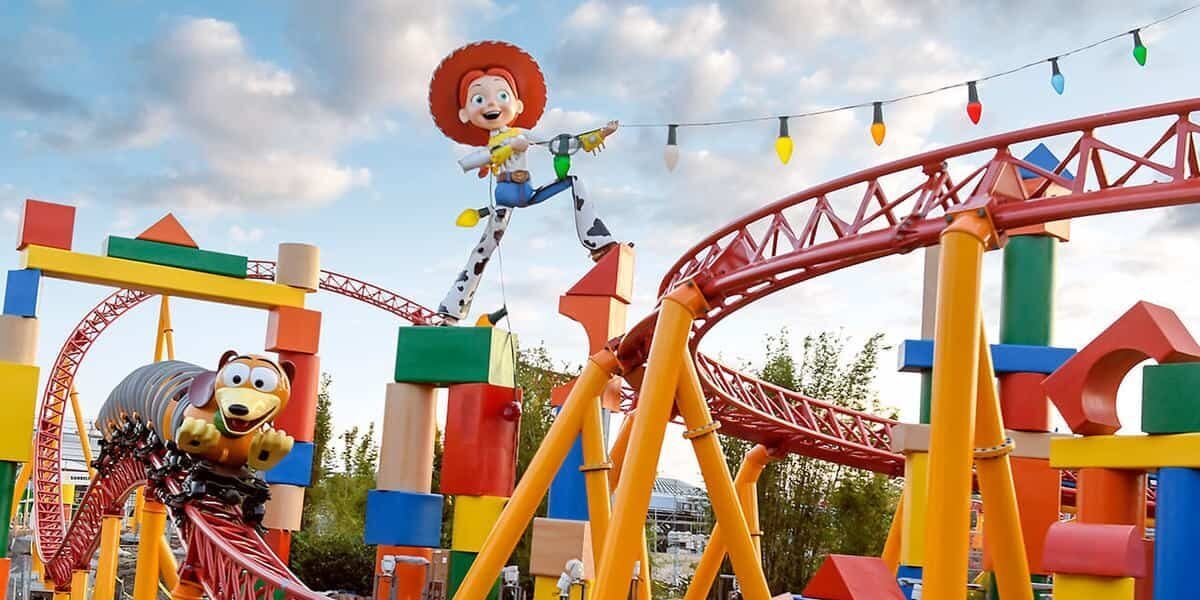
Picture this: you've planned your Disney World vacation for months, maybe even a year. You've booked your Lightning Lanes, made your dining reservations, and packed your Mickey ears with excitement. But as you step into the Magic Kingdom, something feels different. The usual Disney magic is still there, but it's wrapped in something much more intense—crowds that seem to pulse and breathe like a living thing, walkways that feel narrower than usual, and wait times that make even the most patient Disney fan question their life choices.
This is exactly what unfolded recently when Disney World hit capacity limits that left guests trapped in lines stretching over three hours. It wasn't just busy—it was a perfect storm of factors that transformed the happiest place on earth into something that felt more like a test of endurance.
The Anatomy of a Capacity Crisis
Disney World's capacity management has always been a delicate dance. With four theme parks, two water parks, and Disney Springs all operating simultaneously, the resort typically handles crowds with the precision of a well-oiled machine. But when multiple factors align—holiday weekends, special events, favorable weather, and pent-up travel demand—even Disney's legendary crowd control systems can reach their limits.
What makes these situations particularly challenging is that Disney doesn't just hit a wall and stop letting people in. Instead, the experience gradually degrades as every pathway, attraction, restaurant, and restroom reaches capacity simultaneously. It's like watching a city during rush hour, but instead of commuters, it's families with strollers, teenagers on spring break, and multi-generational groups all trying to navigate the same magical spaces.
The Ripple Effect of Overcrowding
When Disney World approaches capacity, the effects cascade throughout the entire resort experience:
- Attraction wait times don't just increase—they explode. A ride that might typically have a 45-minute wait can suddenly balloon to two or three hours.
- Dining becomes a challenge as walk-up availability disappears and even quick-service locations develop lengthy queues.
- Transportation systems strain under the pressure, with monorails, buses, and boats all running at maximum capacity.
- Guest services become overwhelmed with frustrated visitors seeking solutions to problems that have no easy fixes.
The Human Side of Peak Capacity
Behind every capacity crisis are real families with real expectations. These aren't just statistics—they're parents who saved for years to bring their children to Disney, couples celebrating anniversaries, and grandparents making memories with grandchildren. When wait times spiral out of control and the magic feels buried under masses of humanity, the emotional impact is profound.
Cast members, too, bear the brunt of these situations. They're trained to create magic, but during capacity crunches, they often find themselves managing disappointment and frustration instead. It's a reminder that even in the most magical place on earth, there are limits to what can be accomplished when demand vastly exceeds supply.
"The energy changed. Walkways tightened. Wait times started creeping up, then jumping, then spiraling into something much bigger. It wasn't just 'busy.' It felt like the resort had quietly crossed a line into something far more intense."
Disney's Evolving Crowd Management Strategy
Disney has continuously evolved its approach to managing peak capacity situations. The introduction of the Disney Genie+ system was partly designed to better distribute crowds throughout the day and across different attractions. However, when demand reaches extreme levels, even the most sophisticated crowd management tools can only do so much.
The company has also invested heavily in expanding capacity through new attractions, additional dining locations, and improved transportation infrastructure. Projects like the Disney Skyliner and the ongoing TRON Lightcycle Run addition represent Disney's commitment to handling larger crowds while maintaining the quality experience guests expect.
Learning from the Chaos
These capacity crises, while frustrating for guests, provide valuable data for Disney's operations teams. Every overcrowded day offers insights into bottlenecks, guest flow patterns, and system limitations that can inform future improvements. It's part of the continuous evolution of a resort that serves tens of millions of visitors annually.
Navigating the New Reality
For Disney fans, these capacity situations represent a new reality in vacation planning. The days of spontaneous Disney trips with guaranteed magical experiences may be evolving into something that requires more strategic thinking and realistic expectations.
Successful Disney vacations during peak periods now require:
- Advanced planning and realistic expectations
- Flexibility in touring plans and dining choices
- Understanding of crowd patterns and seasonal variations
- Patience and a sense of humor when things don't go as planned
The magic is still there—it just requires a different approach to access it. Sometimes the most magical moments happen not in spite of the crowds, but because of how families adapt and create joy together even in challenging circumstances.
Looking Forward: The Future of Disney Capacity
As Disney continues to expand and evolve, the company faces the ongoing challenge of balancing accessibility with experience quality. Future developments, including potential fifth gates, expanded transportation options, and innovative crowd management technologies, will all play a role in how Disney handles peak capacity situations.
The recent capacity crisis serves as both a reminder of Disney's incredible popularity and a call to action for continued innovation in guest experience management. While no one enjoys three-hour wait times, these moments also demonstrate the enduring appeal of Disney magic—people are willing to wait, to plan, and to adapt because the experience, even on the most crowded days, offers something special that can't be found anywhere else.
For Disney fans, the lesson is clear: the magic is still there, but accessing it requires more intention, patience, and strategic thinking than ever before. And perhaps, in learning to navigate these challenges together, families create their own kind of Disney magic—one that's built on resilience, adaptability, and the shared experience of pursuing joy even when the path isn't easy.