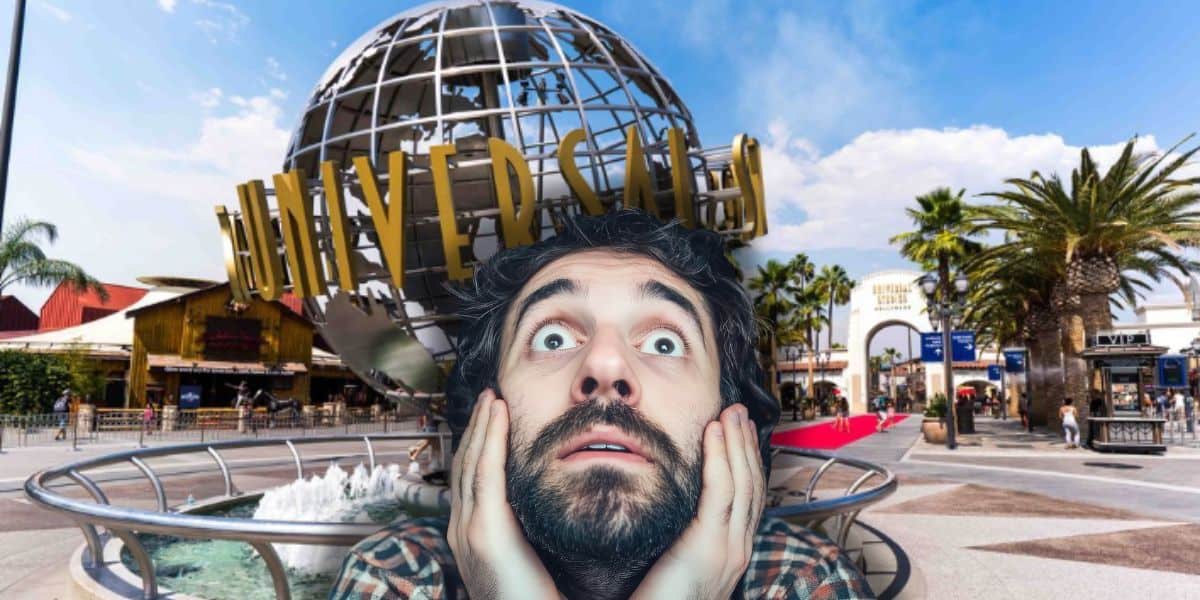
The theme park world is buzzing with controversy as Universal Studios Hollywood makes waves with an unexpected decision regarding one of its most anticipated attractions during Halloween Horror Nights season. While Disney fans might typically focus on Mickey's Halloween Party or the spooky transformations at Disneyland, this Universal development offers fascinating insights into how competing parks navigate guest experience challenges during their busiest seasons.
The Halloween Horror Nights Phenomenon
Halloween Horror Nights has become one of the most successful seasonal events in the theme park industry, rivaling even Disney's own Halloween celebrations. What started as a single night of scares has evolved into a multi-week extravaganza that draws horror fans from around the globe. The event's success has pushed Universal to continually innovate, creating increasingly elaborate haunted houses, scare zones, and immersive experiences that keep guests coming back year after year.
For Disney enthusiasts, Halloween Horror Nights represents an interesting case study in how different parks approach seasonal entertainment. While Disney tends to focus on family-friendly Halloween magic with characters in costume and themed treats, Universal goes all-in on genuine scares and adult-oriented horror experiences.
The Coaster Conundrum
The controversy centers around access restrictions to what sources describe as a "highly anticipated" coaster attraction during Halloween Horror Nights events. This situation highlights a growing challenge that all major theme parks face: balancing capacity, guest experience, and operational efficiency during peak seasons.
Theme park operations during special events require careful choreography. Disney has faced similar challenges during busy seasons like the holidays or summer months, where popular attractions might experience extended wait times or modified operations. The difference here lies in Universal's approach to managing these challenges during their signature Halloween event.
Understanding Capacity Management
Every theme park operator must make difficult decisions about resource allocation during special events. These decisions often involve:
- Staffing considerations for both regular attractions and event-specific experiences
- Guest flow management to prevent overcrowding in certain areas
- Safety protocols that may require modified operations
- Revenue optimization strategies that balance different ticket types and access levels
Disney has historically handled similar situations through systems like Genie+ and Lightning Lane, which create tiered access to popular attractions. Universal's approach during Halloween Horror Nights appears to follow a similar philosophy, though with different execution.
Industry Impact and Guest Relations
This development at Universal Studios Hollywood reflects broader trends in the theme park industry. As parks become more sophisticated in their data analysis and guest behavior understanding, they're making increasingly complex decisions about how to manage popular attractions during peak periods.
From a Disney perspective, this situation offers valuable lessons about communication and expectation management. Disney's approach to similar challenges has typically involved extensive advance communication through their app, website, and guest services. The key is ensuring guests understand any limitations before they arrive at the park.
"The theme park experience is evolving rapidly, with operators constantly balancing guest satisfaction against operational realities. What matters most is transparent communication and delivering value that matches guest expectations."
The Broader Halloween Entertainment Landscape
This Universal situation occurs within a broader context of Halloween entertainment at theme parks. Disney's own Halloween celebrations, including Mickey's Halloween Party at Disneyland and Mickey's Not-So-Scary Halloween Party at Walt Disney World, have faced their own capacity and access challenges over the years.
The success of Halloween-themed events has created intense competition among parks to offer unique experiences. Universal's Halloween Horror Nights competes not just with Disney's family-friendly Halloween offerings, but with other horror-themed attractions and entertainment venues across the country.
Lessons for Disney Fans
Disney enthusiasts can learn several valuable lessons from Universal's approach:
- Special event tickets don't always guarantee access to all attractions
- Peak season operations may involve unexpected limitations
- Communication between parks and guests is crucial for managing expectations
- Flexibility and understanding enhance the overall experience
Looking Forward
As the theme park industry continues to evolve, situations like this Universal Halloween Horror Nights controversy will likely become more common. Parks are increasingly sophisticated in their approach to revenue management and guest experience optimization, which sometimes leads to decisions that surprise or disappoint guests.
For Disney fans watching this unfold, it's a reminder that even magical experiences require careful planning and realistic expectations. Whether you're attending Mickey's Halloween Party or Halloween Horror Nights, understanding park policies and potential limitations helps ensure a more enjoyable visit.
The theme park industry's future will likely involve even more dynamic pricing and access models, making it increasingly important for guests to stay informed about policies and procedures. As competition intensifies between major operators like Disney and Universal, these operational decisions become crucial differentiators in guest satisfaction and loyalty.
Ultimately, this Universal situation serves as a fascinating case study in modern theme park operations, offering insights that benefit all enthusiasts regardless of their preferred magical destination.