
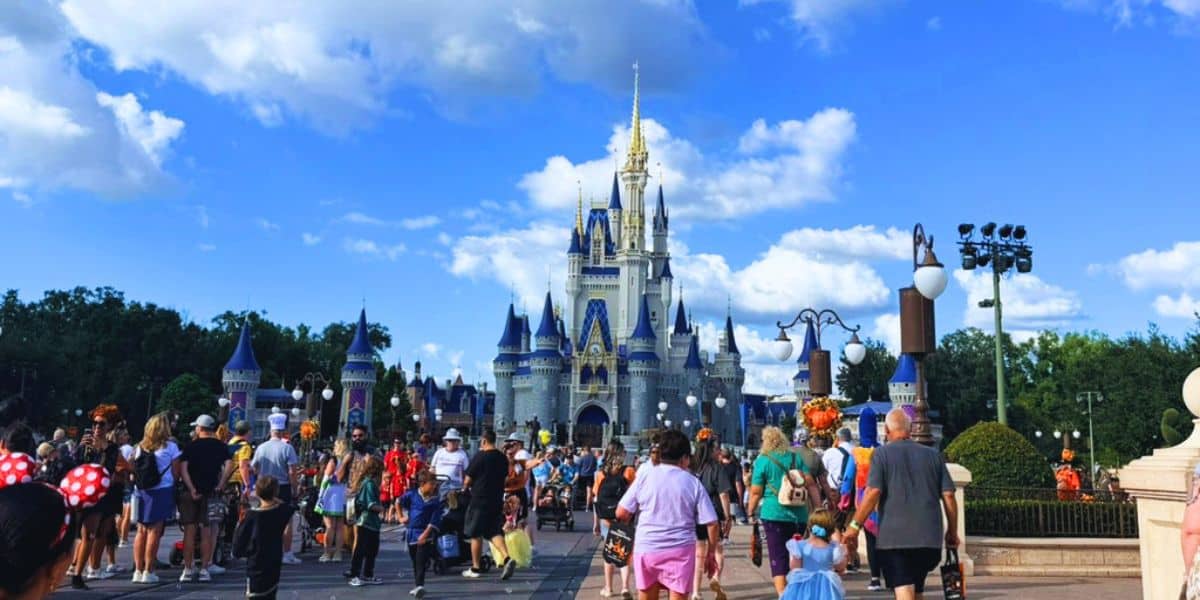
For roughly six months, Walt Disney World felt like a different place. Following a calm spring and an unusually quiet summer, the parks settled into a stretch of lower-volume days that had longtime visitors doing a double-take. The long-running debate over whether a true Disney "off-season" still existed seemed to land on a surprising answer: summer had quietly become one of the year's least crowded periods.
According to Thrill-Data figures cited by Disney Tourist Blog, average posted attraction wait times across Walt Disney World declined steadily from spring into late summer — dropping from 36 minutes in March all the way down to 26 minutes in September. The four-day stretch from August 31 through September 3 was particularly serene, with average waits of just 16, 15, 16, and 19 minutes on those respective days. Each of those days received a crowd-level rating of 1 out of 10. For Annual Passholders and savvy travelers who could make the trip, it was a rare window of short queues and uncongested pathways.
But that peaceful lull has now broken — at least for now.
Tracking the Six-Month Quiet Stretch
To appreciate just how dramatic the recent shift has been, it helps to look at the full arc of wait-time data leading up to October. Historically, summer has meant sweltering heat and big crowds. This year, the heat stayed — but the crowds didn't quite follow. Here's how average posted attraction wait times trended month by month, per Thrill-Data as reported by Disney Tourist Blog:
- March: 36 minutes
- April: 34 minutes
- May: 30 minutes
- June: 27 minutes
- July: 27 minutes
- August: 27 minutes
- September: 26 minutes
It's worth noting that these figures reflect average posted attraction wait times, not direct measurements of total park attendance. Still, they paint a clear picture of how much quieter the parks became as the warmer months wore on.
What Triggered the Autumn Attendance Spike?
As October arrived, the mood shifted. Disney Tourist Blog reported that the week leading up to October 17 was Walt Disney World's busiest since mid-April — catching some visitors off guard. Several factors appear to have contributed to the surge, though the available data doesn't pin down exactly how much each one played a role.
1. Fall Break Recesses Across Key Feeder Districts
Unlike Spring Break, which tends to unfold gradually as school districts stagger their schedules over several weeks, many fall breaks cluster tightly around mid-October. In 2026, Indigenous Peoples' Day on October 12 coincided with scheduled days off and fall breaks in several districts, including Chicago Public Schools, Gwinnett County in Georgia, and Fairfax County in Virginia. These overlapping holidays gave some families an opportunity to take a long weekend or extend a trip to Orlando. School calendars alone can't fully account for the increase in wait times, but they appear to be a meaningful factor in the timing of this particular spike.
2. The "Porcupine Pattern" of Hard-Ticket Event Nights
At Magic Kingdom, crowd distribution has become notably uneven during the seasonal evening-event period — particularly on nights when Mickey's Not-So-Scary Halloween Party takes place. On party nights, Magic Kingdom closes early to regular day guests, typically at 6:00 p.m. Because standard ticket holders have less time in the park, some visitors prefer non-party days to maximize their experience and enjoy the park's nighttime entertainment.
This creates what Disney Tourist Blog calls the "porcupine pattern": sharp spikes in wait times on non-party days and dips on party days. The October analysis identifies this pattern in the daily crowd data, noting that some party dates have risen from a crowd level of 1 out of 10 to 2 out of 10, while non-party days have grown busier. For guests who don't prioritize the evening party entertainment, visiting on a party day can mean shorter posted waits during regular operating hours — though the earlier park closing is an important trade-off to weigh.
3. Pre-Holiday Event Kickoffs
The mid-October crowd increase also marks the beginning of a busy stretch of autumn and winter travel. The runDisney Wine & Dine Half Marathon Weekend is scheduled for October 22–25, 2026, followed by Veterans Day, Thanksgiving, and the full holiday season at the parks. These events and holidays can influence travel demand, though fall-break calendars appear to be the more immediate driver of the spike that began earlier in October.
What This Means for the Rest of the Year
If you're planning a Walt Disney World visit between now and the end of the year, it's time to adjust expectations. The quieter late-summer window has closed, and busier conditions — particularly around fall breaks and holiday weekends — are now the norm. That said, crowd levels vary by park and date, so not every day will be equally hectic. Here are a few things to keep in mind:
- Elevated Queue Times: Longer waits are possible during busy periods, especially at headliner attractions like Star Wars: Rise of the Resistance, Avatar Flight of Passage, and Seven Dwarfs Mine Train. Actual waits vary by date, time of day, ride availability, and park conditions, so checking live wait times is always your best bet.
- Ticket and Resort Promotions: Disney offers various promotions throughout the year, including select hotel discounts and vacation packages. Availability and eligibility vary, so compare the official offers available for your specific dates.
- Dining Reservations and Lightning Lane Passes: Guests hoping to snag popular dining reservations or Lightning Lane options should plan ahead and check availability for their dates, as these can vary significantly by experience and day.
Strategic Tips for Navigating Busier Days
The quiet days of late summer may be behind us, but smart planning can still go a long way toward minimizing time spent in line:
- Leverage Early Theme Park Entry: Eligible Disney Resort hotel guests can take advantage of Early Theme Park Entry. Arriving with enough time to clear security before the benefit begins can help you reach popular attractions ahead of the general crowd. Always plan around the official schedule for your specific visit date.
- Consider Party-Day Operating Hours: If nighttime entertainment at Magic Kingdom isn't your top priority, visiting on a Mickey's Not-So-Scary Halloween Party night may mean shorter posted waits during regular daytime hours. Just be sure to check the official park hours and weigh the earlier closing time against the potential for lighter queues.
- Avoid Midday Peak Hours When Possible: Late morning and afternoon tend to be busier, though the exact pattern varies by park, attraction, and date. Prioritizing popular rides early in the day or later in the evening — and using live wait-time information to adapt on the fly — can help you make the most of your visit.
The unusually quiet stretch of late summer offered a genuine gift for those who could take advantage of it. Now, the latest wait-time data points to a busier mid-October and beyond, as school breaks and seasonal events bring more guests to the parks. As Walt Disney World gears up for the holiday season ahead, realistic expectations, flexible plans, and a willingness to adapt remain the best tools in any Disney traveler's toolkit.