The ground beneath Cinderella Castle might not be shaking, but the theme park industry certainly is. Universal's first quarterly earnings report for 2026 has sent ripples through the entertainment world, revealing ambitious expansion plans that signal a dramatic shift in Orlando's theme park hierarchy. For the first time in decades, Disney's reign as the undisputed king of Central Florida may be coming to an end.
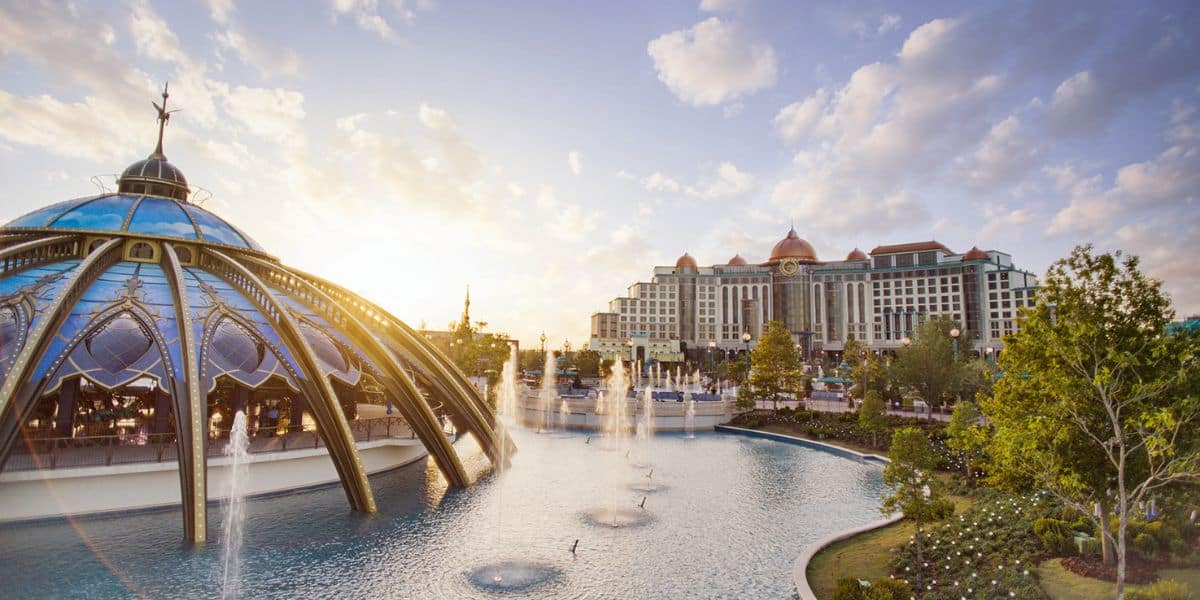
The numbers don't lie, and they're telling a story that would have seemed impossible just a few years ago. Universal's Epic Universe, which opened its gates to unprecedented fanfare, has become more than just another theme park—it's become a game-changer that's rewriting the rules of what guests expect from their Orlando vacation.
A Tale of Two Parks: The Changing Landscape
To understand the magnitude of this shift, we need to step back and appreciate the historical context. Walt Disney World has been the crown jewel of Orlando tourism since 1971, when Walt Disney's vision of a vacation kingdom first came to life in the Florida swamplands. For over five decades, Disney has maintained its position as the destination that defines the Orlando experience, drawing millions of families from around the globe to experience the magic that only Disney could provide.
Universal Studios, while always a formidable competitor, traditionally played the role of the scrappy underdog. The Wizarding World of Harry Potter changed that narrative significantly when it opened in 2010, proving that Universal could create immersive, detail-rich experiences that rivaled anything Disney had to offer. But Epic Universe? That's taken the competition to an entirely new level.
Epic Universe: More Than Just Another Park
What makes Epic Universe so revolutionary isn't just its size—though at 750 acres, it's certainly impressive—it's the way it completely reimagines what a theme park can be. Universal has created distinct worlds that feel genuinely separate from one another, each with its own unique atmosphere, storytelling approach, and technological innovations.
The park's Nintendo World brings beloved video game characters to life with interactive experiences that blur the line between digital and physical reality. Meanwhile, the Classic Monsters land offers a sophisticated take on Universal's horror heritage that appeals to both longtime fans and newcomers alike. Perhaps most impressively, the How to Train Your Dragon area showcases flying experiences that make guests feel like they're soaring alongside Toothless himself.
Technology Meets Storytelling
Universal's investment in cutting-edge technology has paid dividends in ways that extend far beyond individual attractions. The seamless integration of mobile apps, wearable technology, and environmental storytelling creates an experience that feels cohesive and immersive from the moment guests enter the park until they reluctantly leave.
This technological sophistication has resonated particularly well with younger demographics—the very audience that Disney has traditionally dominated. Families are discovering that Universal offers not just thrills, but the kind of detailed, immersive storytelling that creates lasting memories.
Disney's Response: Innovation Under Pressure
It would be unfair to suggest that Disney has been resting on its laurels. The company has continued to innovate with attractions like Guardians of the Galaxy: Cosmic Rewind and TRON Lightcycle Run, both of which showcase Disney's continued commitment to pushing technological boundaries. The upcoming Tiana's Bayou Adventure promises to bring new life to a classic attraction space while honoring both the beloved Princess and the Frog story and the rich history of Splash Mountain.
However, Disney's approach to expansion has been more measured, focusing on enhancing existing parks rather than building entirely new destinations. This strategy, while fiscally responsible, may have inadvertently created an opening that Universal has been quick to exploit.
"The theme park industry has always been about creating experiences that transport guests to other worlds. What we're seeing now is a fascinating evolution in how that transportation happens," notes industry analyst Sarah Mitchell. "Universal is proving that you don't need a mouse to create magic."
What This Means for Orlando Visitors
For families planning their Orlando vacations, this shift represents both opportunity and complexity. The traditional "Disney vacation" model—spending an entire week within the Walt Disney World bubble—is giving way to a more diverse approach where families split their time between multiple destinations.
Universal's success has also sparked innovation throughout the region. SeaWorld has responded with new attractions and experiences, while ICON Park and other entertainment districts have elevated their offerings to compete for tourist dollars. The result is an Orlando that offers more variety and value than ever before.
The Guest Experience Evolution
Perhaps most significantly, Universal's rise has forced the entire industry to reconsider what guests truly value. While Disney built its reputation on family-friendly experiences and nostalgic storytelling, Universal has proven that audiences also crave cutting-edge technology, immersive theming, and experiences that feel genuinely surprising and new.
This doesn't mean Disney's approach is wrong—far from it. The emotional connection that Disney creates with its guests remains unparalleled, and the company's ability to create multigenerational experiences continues to be a significant competitive advantage. However, it does mean that Disney can no longer assume that its brand recognition alone will be sufficient to maintain market dominance.
Looking Toward the Future
As we look ahead, the competition between Disney and Universal promises to benefit everyone—from industry professionals to the millions of families who visit Orlando each year. Both companies are being pushed to innovate, to take creative risks, and to continually raise the bar for what theme park experiences can achieve.
Universal's reported plans for additional expansion, coupled with Disney's ongoing projects and rumored future developments, suggest that Orlando's theme park wars are far from over. If anything, we may be entering the most exciting era in the industry's history, where competition drives innovation and innovation creates experiences that were previously unimaginable.
The magic kingdom may need to share its crown, but for guests who love theme parks, that's the most magical development of all. After all, in a world where both Disney and Universal are competing to create the most incredible experiences possible, everyone wins—especially those of us lucky enough to experience the magic they create.