
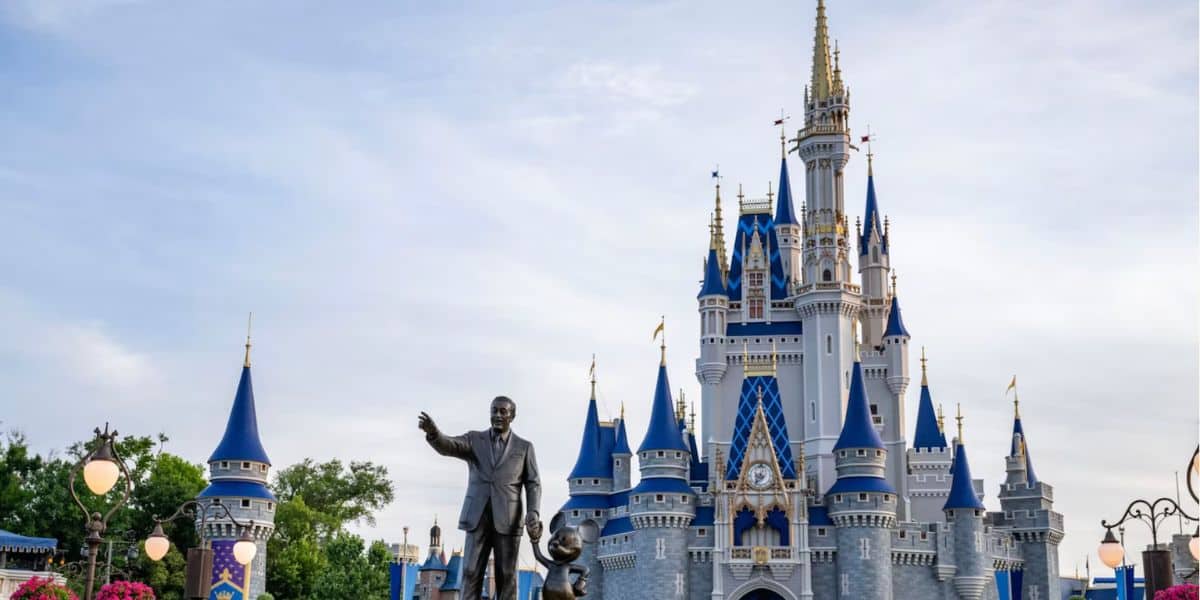
The summer of 2024 was supposed to be different. As Memorial Day weekend approached, Walt Disney World found itself at a crossroads that would have been unthinkable just a decade ago. The resort that once guaranteed shoulder-to-shoulder crowds during peak summer months was now facing whispers of "ghost town" conditions—a phrase that would make any Disney executive's heart skip a beat.
But May 26, 2024, marked what many industry insiders are calling Disney's most crucial summer kickoff in recent memory. It was the day Walt Disney World decided to make its final stand against the narrative that had been haunting the resort: that the magic was somehow diminishing, that families were choosing other destinations, and that the Disney difference was no longer worth the premium price.
The Changing Landscape of Disney Summers
To understand the significance of this moment, we need to look back at what Disney summers used to represent. For decades, the months of June, July, and August were virtually guaranteed money-makers for Walt Disney World. Families planned their entire year around these magical summer vacations, and the parks were reliably packed from rope drop to fireworks finale.
However, the landscape began shifting dramatically in recent years. A combination of factors contributed to this change:
- Rising costs: Park tickets, hotel rates, and dining prices reached levels that priced out many middle-class families
- Reservation requirements: The implementation of park reservation systems made spontaneous visits more challenging
- Competition: Universal Studios and other theme park destinations began offering compelling alternatives
- Changing travel patterns: Post-pandemic, families began spreading their travel throughout the year rather than concentrating on traditional peak seasons
The result was something Disney had rarely experienced: uncertainty during what should have been their most profitable season.
Disney's Strategic Response
Recognizing that the traditional "if you build it, they will come" approach was no longer sufficient, Disney began implementing a multi-pronged strategy to reclaim their summer dominance. The efforts leading up to that pivotal May 26th weekend included:
Enhanced Guest Experiences
Disney doubled down on what they do best—creating magical moments. New character meet-and-greets were added throughout the parks, extended park hours returned to pre-pandemic levels, and special summer-exclusive entertainment offerings were introduced. The goal was to ensure that every guest felt they were getting exceptional value for their investment.
Flexible Pricing and Packages
Perhaps most significantly, Disney began offering more flexible pricing options and attractive package deals. Multi-day tickets saw better per-day pricing, and resort packages included perks that hadn't been bundled together in years. This represented a notable shift from the previous strategy of premium pricing with fewer included benefits.
Improved Operational Efficiency
Behind the scenes, Disney worked tirelessly to reduce wait times and improve the overall flow of guests through the parks. The Disney Genie+ system was refined, additional mobile ordering locations were added, and staffing levels were increased to handle the crowds they hoped to attract.
"We're not just competing against other theme parks anymore," noted one Disney executive who spoke anonymously. "We're competing against every entertainment dollar a family might spend. We have to prove our value every single day."
The Memorial Day Test
May 26th became the litmus test for all of these efforts. Memorial Day weekend has traditionally been the unofficial start of summer tourism, and Disney needed to demonstrate that their strategies were working. Early reports from that weekend suggested cautious optimism—park attendance was notably higher than the previous year, guest satisfaction scores improved, and social media sentiment began shifting in a more positive direction.
The success wasn't just measured in numbers, but in the intangible magic that Disney is famous for. Guests reported shorter wait times despite higher attendance, more character interactions, and an overall sense that Disney was "back" to its former glory.
Looking Beyond the Numbers
While attendance figures and revenue reports tell part of the story, the real measure of Disney's comeback lies in the guest experience. Families who had sworn off Disney vacations due to cost and complexity began returning, often surprised by the improvements they discovered.
The "ghost town" narrative that had plagued recent summers began to fade as social media filled with photos of smiling families enjoying newly enhanced attractions, meeting beloved characters, and creating the kind of magical memories that Disney built its reputation on.
The Ripple Effect
Disney's renewed focus on summer success has had positive effects throughout the resort ecosystem. Local businesses in the Orlando area reported increased traffic, Disney Cast Members saw expanded hours and opportunities, and the overall Central Florida tourism industry benefited from Disney's renewed drawing power.
The Road Ahead
As we look toward future summers, Walt Disney World's efforts in 2024 may well be remembered as a turning point. The resort demonstrated that even in a changed landscape, the fundamental appeal of Disney magic remains strong when properly supported by operational excellence and guest-focused policies.
The challenge now is maintaining this momentum. Disney must continue to innovate, adapt to changing guest expectations, and prove that the premium they charge delivers proportional value. The summer of 2024 showed that when Disney commits to excellence, guests respond—but they'll need to sustain this commitment to ensure that "ghost town" reports remain a thing of the past.
For Disney fans and families planning future vacations, the message is clear: the Most Magical Place on Earth is fighting hard to reclaim its crown, and early indicators suggest the magic is indeed returning to those cherished summer memories.