Picture this: the pre-show doors at Guardians of the Galaxy: Cosmic Rewind swing open, and suddenly you're witnessing something that resembles the Running of the Bulls more than a Disney attraction experience. Guests sprint, jostle, and strategically position themselves in what has become an unspoken competition for the best boarding positions. This chaotic scene has become so commonplace that Disney is finally stepping in to restore some magic to the mayhem.
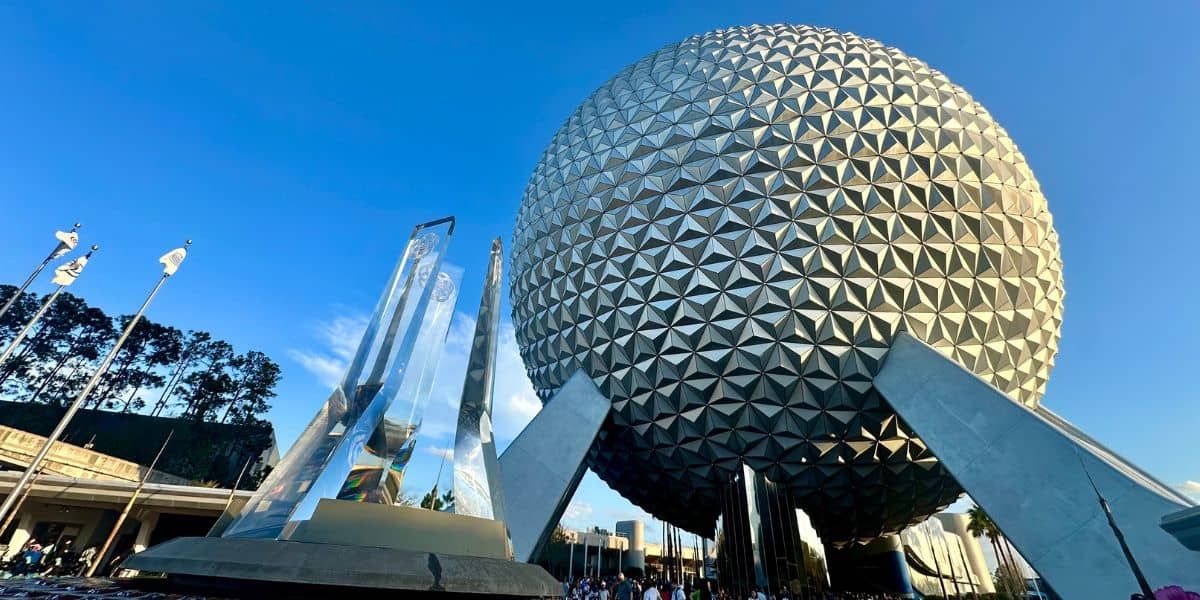
The phenomenon isn't entirely surprising when you consider what's at stake. Guardians of the Galaxy: Cosmic Rewind isn't just any ride—it's EPCOT's crown jewel, a technological marvel that has redefined what a Disney attraction can be since its debut in May 2022.
The Attraction That Changed Everything
When Disney announced that Guardians of the Galaxy would be taking over the former Universe of Energy pavilion, eyebrows were raised across the Disney community. EPCOT, after all, was built on principles of education, innovation, and cultural celebration. How would a superhero franchise fit into this vision?
The answer came in the form of pure innovation. Cosmic Rewind became Disney's first reverse-launch coaster, featuring a unique rotating ride system that allows guests to face different directions throughout the experience. The attraction seamlessly blends storytelling with cutting-edge technology, creating an experience that feels both thrilling and authentically Disney.
But with great innovation comes great demand. From day one, Cosmic Rewind has consistently ranked as one of the most sought-after experiences at Walt Disney World, with Lightning Lane reservations disappearing within minutes of park opening.
The Rush That Became a Problem
The current boarding process has inadvertently created a secondary competition within the attraction experience itself. After guests complete the pre-show experience—which includes an entertaining encounter with the Guardians characters—they're released into the loading area. What should be a smooth transition has evolved into something resembling a strategic military operation.
Experienced guests know the drill: position yourself near the doors during the pre-show, prepare for a swift but courteous walk (never run, as Cast Members frequently remind), and hope to secure a spot in one of the coveted front sections of the massive loading area. The payoff? Potentially shorter wait times and preferred seating options on the actual attraction.
This behavior, while understandable, has created several challenges:
- Increased stress for families with young children or guests with mobility needs
- Crowding and bottlenecks in the loading area
- A departure from the relaxed, magical atmosphere Disney strives to create
- Additional strain on Cast Members managing crowd flow
Disney's Response: Innovation Meets Guest Management
True to form, Disney isn't simply telling guests to behave differently—they're redesigning the experience to naturally encourage better flow and reduce the incentive for rushing. While specific details of the changes remain under wraps, industry insiders suggest the modifications will focus on queue management and boarding procedures.
This approach reflects Disney's broader philosophy of designing out problems rather than simply enforcing rules. It's the same thinking that led to innovations like the FastPass system (and later, Lightning Lane) and the strategic placement of attractions throughout the parks to distribute crowds more evenly.
Learning from Other Attractions
Disney has successfully managed similar challenges before. Rise of the Resistance at Disney's Hollywood Studios faced comparable issues when it opened, with guests developing elaborate strategies for securing boarding groups. Disney's response included refining the virtual queue system and adjusting operational procedures to create a smoother experience.
Similarly, attractions like Avatar Flight of Passage at Disney's Animal Kingdom have demonstrated how thoughtful queue design and clear guest communication can minimize chaos while maintaining excitement and anticipation.
The Bigger Picture: Balancing Popularity and Experience
The situation at Cosmic Rewind highlights a challenge that many theme park operators would envy: having an attraction so popular that guests are willing to sprint for the chance to experience it. Yet it also underscores Disney's commitment to ensuring that popularity doesn't come at the expense of the overall guest experience.
This dedication to continuous improvement is what sets Disney apart. Rather than accepting the status quo or simply posting more signs, the company is investing in solutions that address the root cause of the problem.
The changes also reflect Disney's understanding that guest behavior often stems from genuine enthusiasm and excitement. The goal isn't to dampen that enthusiasm but to channel it in ways that enhance rather than detract from the magical experience.
What This Means for Your Next Visit
For guests planning to experience Cosmic Rewind, these changes should ultimately result in a more relaxed and enjoyable experience. While the specific modifications haven't been fully revealed, the focus on improving crowd flow suggests that the frantic rush may soon become a thing of the past.
This evolution also serves as a reminder of Disney's ongoing commitment to innovation—not just in attraction technology, but in guest experience design. Every challenge becomes an opportunity to create something better, more magical, and more inclusive for all guests.
As EPCOT continues to transform and evolve, attractions like Guardians of the Galaxy: Cosmic Rewind represent the perfect marriage of cutting-edge entertainment and Disney's timeless commitment to creating magical experiences. The upcoming changes to address guest behavior challenges are simply the latest chapter in this ongoing story of innovation and improvement.
So the next time you find yourself approaching those pre-show doors, take a deep breath, enjoy the moment, and trust that Disney is working behind the scenes to ensure your cosmic adventure begins the moment you step into the queue—not when you sprint toward the loading area.