
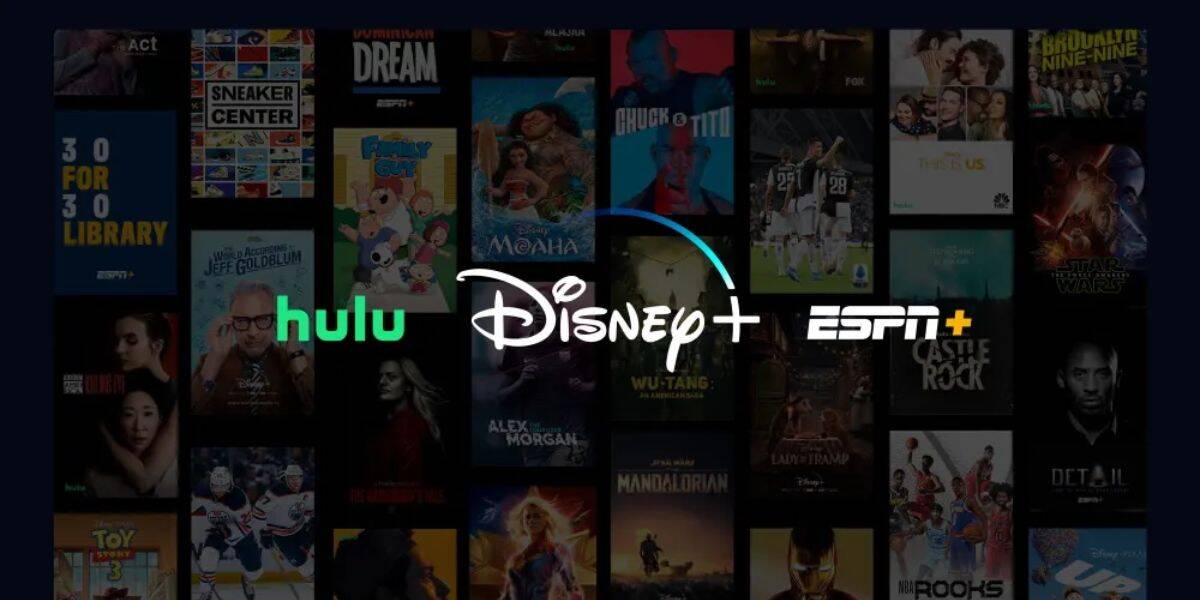
In a move that's sending shockwaves through the streaming world, Disney is preparing to say goodbye to Hulu as a standalone platform, dissolving it entirely into Disney+. This isn't just another corporate restructuring—it's a seismic shift that will fundamentally change how millions of viewers access their favorite content and marks the end of one of streaming's most distinctive brands.
The Tale of Two Platforms
For years, Disney operated what felt like a streaming Jekyll and Hyde situation. On one side, you had Disney+, the family-friendly powerhouse that became synonymous with Marvel adventures, Star Wars sagas, Pixar magic, and classic Disney animation. It was the platform where parents felt safe letting their kids browse freely, knowing they'd encounter nothing but wholesome entertainment.
On the other side stood Hulu, the edgier, more mature sibling that carved out its own identity with prestige television, FX originals like The Bear and Atlanta, ABC's primetime hits, and content that pushed boundaries Disney+ simply couldn't accommodate. Hulu became the home for viewers who wanted their Disney entertainment with a side of sophistication and adult themes.
Why the Merger Makes Strategic Sense
While this news might initially feel jarring to longtime Hulu subscribers, Disney's decision reflects a broader evolution in the streaming landscape. The company has been quietly testing the waters for this merger over the past two years, gradually integrating Hulu content into Disney+ through bundle packages and shared interfaces.
The numbers tell a compelling story:
- Operating two separate platforms means double the infrastructure costs
- Marketing budgets are split between promoting two distinct brands
- Content licensing becomes more complex when deciding which platform gets which shows
- International expansion is simplified with a single, globally recognized Disney brand
More importantly, this consolidation positions Disney to compete more effectively against streaming giants like Netflix and Amazon Prime, which offer diverse content libraries under single umbrellas rather than fragmenting their audiences across multiple platforms.
What This Means for Your Viewing Experience
For current subscribers, this transition promises both excitement and uncertainty. The merger will likely create a more comprehensive entertainment destination where you can seamlessly move from watching The Mandalorian with your kids to diving into the latest FX drama after bedtime—all within the same app.
Disney has indicated that robust parental controls will ensure family-friendly browsing remains intact while giving adults access to mature content when desired. Think of it as Netflix's approach to content organization, but with Disney's characteristic attention to user experience and brand protection.
"This integration represents our commitment to providing subscribers with the most comprehensive entertainment experience possible while streamlining our operations for maximum efficiency," a Disney spokesperson recently stated.
The International Perspective
Globally, this move makes even more sense. In many international markets, Disney+ already includes what Americans know as Hulu content through a section called "Star." Countries like the UK, Australia, and Canada have been enjoying this integrated experience for years, accessing everything from Grey's Anatomy to The Handmaid's Tale alongside Frozen and Iron Man within a single Disney+ subscription.
The U.S. market has been the anomaly, not the norm, in Disney's streaming strategy. This consolidation finally brings American subscribers in line with the global Disney+ experience.
Challenges and Concerns
Of course, this transition isn't without its potential pitfalls. Hulu has built a distinct brand identity that resonates with viewers who might feel alienated by Disney's family-friendly reputation. There's also the question of how live TV services, currently a major Hulu selling point, will integrate into the Disney+ ecosystem.
Content creators and networks that have built relationships specifically with Hulu may need to navigate new approval processes and brand guidelines that align with Disney's broader corporate values. This could potentially impact the edgy, boundary-pushing content that made Hulu distinctive in the first place.
A New Chapter in Streaming History
As we look toward this streaming consolidation, it's worth remembering that Disney has consistently demonstrated an ability to evolve while maintaining its core identity. The same company that successfully transitioned from hand-drawn animation to computer graphics, from theme parks to cruise ships, and from traditional media to streaming dominance is now preparing for its next transformation.
This merger represents more than just corporate efficiency—it's Disney's bold bet on the future of entertainment consumption. By creating a single destination for everything from preschool programming to prestige dramas, Disney is positioning itself not just as a family entertainment company, but as a comprehensive lifestyle brand that grows with its audience.
While saying goodbye to Hulu as we know it might feel bittersweet, this evolution promises to deliver a more seamless, comprehensive, and ultimately more valuable entertainment experience. As Disney continues to prove, sometimes the most magical transformations happen when we're brave enough to embrace change.