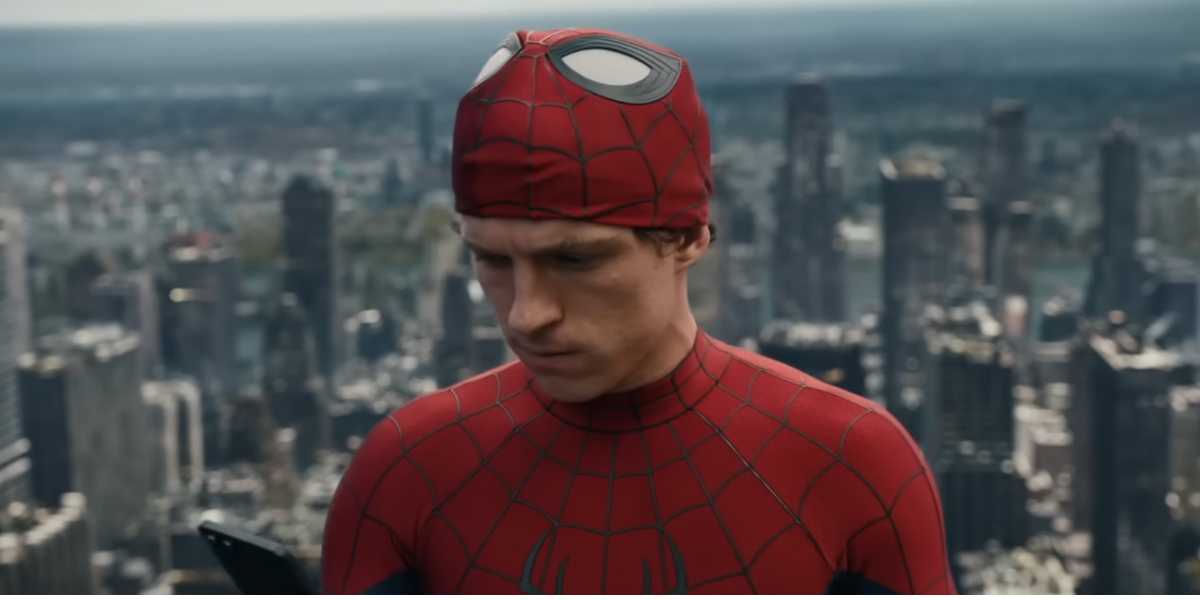
The Marvel Cinematic Universe is experiencing another major shift as Disney makes the bold decision to completely remove an upcoming MCU film from its release slate. This latest development marks a significant moment in the studio's evolving strategy as they navigate the complex landscape of superhero storytelling in Phase Six.
The decision comes at a particularly pivotal time for Marvel Studios, with new leadership changes at The Walt Disney Company and the studio working to recalibrate its approach following mixed reception to several recent releases. While fans have grown accustomed to delays and date shuffles, completely scrapping a film represents a more dramatic course correction.
The Current State of Marvel's Phase Six
Phase Six officially launched last year with Matt Shakman's The Fantastic Four: First Steps leading the charge into Marvel's next chapter. The phase represents a crucial period for the MCU as it works to rebuild momentum and audience confidence after what many consider a challenging Phase Four and Five period.
The removal of this unnamed project from Disney's slate signals the company's commitment to quality over quantity—a lesson learned from previous phases where rapid expansion sometimes came at the cost of storytelling coherence. This strategic pause allows Marvel Studios to focus resources on projects that align more closely with their long-term vision.
Disney's Evolving Marvel Strategy
Under new executive leadership, Disney has been taking a more measured approach to its Marvel content pipeline. The company has recognized that the superhero genre requires careful cultivation rather than oversaturation, and removing projects that don't meet their elevated standards demonstrates this commitment.
This decision also reflects broader industry trends where studios are becoming more selective about their tentpole releases. The superhero market, while still lucrative, has shown signs of audience fatigue, making it essential for each release to justify its place in the larger narrative tapestry.
Learning from Recent Challenges
Marvel Studios has faced various challenges in recent years, from production delays to mixed critical and audience reception for certain titles. By removing a film entirely rather than pushing forward with a potentially problematic project, Disney shows they're prioritizing the long-term health of the Marvel brand over short-term release schedules.
This approach mirrors successful strategies employed by other major studios who have learned that a delayed or cancelled project often serves the franchise better than a rushed or compromised release.
Impact on the MCU Timeline
The removal creates interesting ripple effects throughout the MCU's carefully planned timeline. Marvel's interconnected storytelling model means that removing one piece requires adjusting the larger puzzle, potentially affecting character arcs, plot threads, and crossover opportunities planned for future films.
However, this flexibility has always been one of Marvel's strengths. The studio has successfully navigated similar challenges before, adapting their overarching narrative to accommodate changes while maintaining continuity and fan engagement.
Opportunities for Refinement
Rather than viewing this as a setback, the decision opens opportunities for Marvel to strengthen remaining projects in their pipeline. Resources, talent, and creative energy can be redirected toward films with stronger potential for both critical and commercial success.
The move also allows Marvel to potentially revisit the scrapped project at a later date when circumstances might be more favorable, whether that means different casting, improved script development, or better alignment with the MCU's evolving direction.
Fan Reactions and Industry Response
While some fans may feel disappointed about losing anticipated content, many in the Marvel community have expressed appreciation for Disney's commitment to quality control. The decision demonstrates that the studio values the integrity of the MCU over meeting arbitrary release deadlines.
Industry analysts have largely viewed the move positively, seeing it as evidence of mature decision-making and strategic thinking that prioritizes long-term franchise health over short-term gains.
Looking Ahead: What This Means for Marvel's Future
This strategic pause reflects a Marvel Studios that's more confident in making difficult decisions to protect their brand. As Phase Six continues to unfold, fans can expect a more curated approach to releases, with each film needing to meet higher standards for storytelling, production value, and franchise integration.
The decision also suggests that Disney is taking a more hands-on approach to Marvel content, ensuring that each release aligns with their broader entertainment strategy and brand values. This level of oversight, while sometimes controversial, often results in stronger final products.
As we move forward, this bold decision may well be remembered as a turning point where Marvel chose quality over quantity, setting the stage for a stronger, more focused Phase Six. While we may never see the scrapped film, its removal could ultimately strengthen the MCU's future by allowing remaining projects to shine brighter and receive the attention they deserve. The Marvel Cinematic Universe continues to evolve, and sometimes that evolution requires difficult choices that serve the greater good of this beloved franchise.