There's something bittersweet about watching pieces of Disney history disappear, especially when they've been part of the Magic Kingdom landscape since the very beginning. Recently, Disney World made the decision to demolish a historic site that has been welcoming guests since opening day in 1971, marking the end of an era and the beginning of something entirely new.
For longtime Disney fans, these moments feel like turning the page in a beloved family photo album. While change is inevitable in the world of Disney parks, each transformation carries with it the weight of memories, nostalgia, and the promise of future magic.
A Walk Through Magic Kingdom's Living History
Magic Kingdom has always been more than just a theme park—it's a carefully curated experience where every pathway, every attraction, and every architectural detail tells a story. When Walt Disney World opened its gates on October 1, 1971, it represented the culmination of Walt Disney's vision for a place where families could create lasting memories together.
The recently demolished site was part of that original tapestry, woven into the fabric of the park's identity from day one. These opening-day elements serve as tangible connections to the park's founding principles and Walt Disney's original dream. They're the physical manifestations of a time when Disney Imagineers were pioneering new forms of family entertainment.
What made this particular site special wasn't just its longevity, but its role in the overall Magic Kingdom experience. Every corner of the park was designed with intention, and removing any piece of that original design represents a significant decision on Disney's part.
The Evolution of Disney Parks
Disney parks have never been static museums. From the very beginning, Walt Disney envisioned his parks as living, breathing entities that would grow and change with the times. As he famously said, "Disneyland is a work of love. Anyone can see that. And it is a work that will never be completed. It will continue to grow as long as there is imagination left in the world."
This philosophy has guided Disney's approach to park development for decades. Some of the most beloved attractions we know today replaced earlier versions or completely different experiences:
- Pirates of the Caribbean replaced the Blue Bayou Lagoon
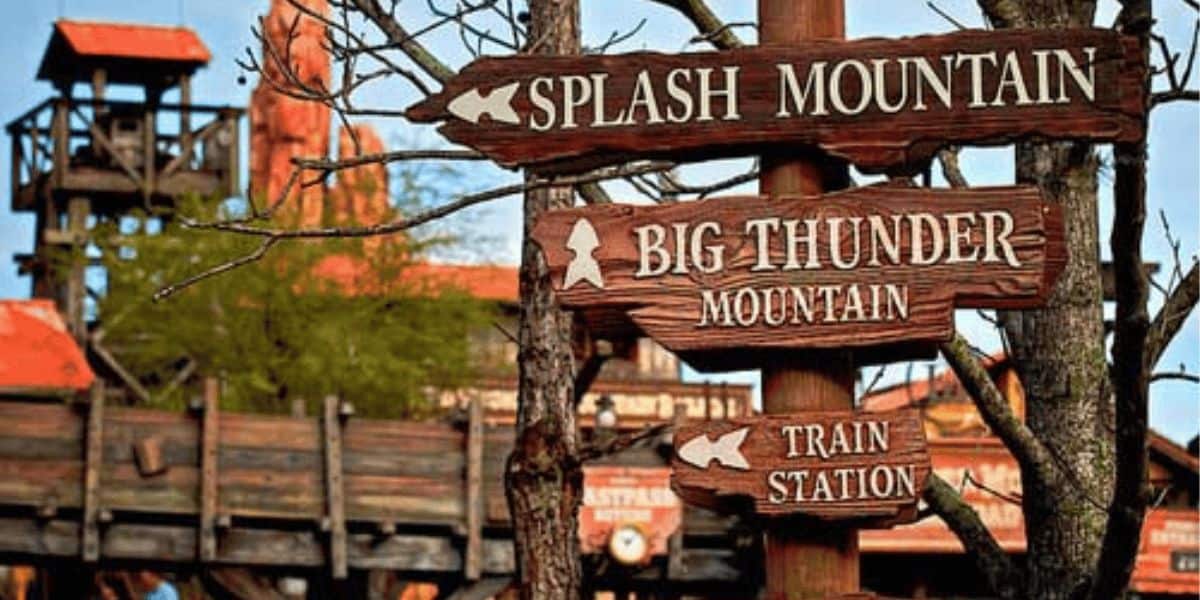
- Splash Mountain transformed from the America Sings show building
- New Fantasyland expanded into former Mickey's Toontown Fair area
- Pandora - The World of Avatar replaced Camp Minnie-Mickey at Animal Kingdom
Each of these changes sparked initial resistance from fans, but many have gone on to become cherished parts of the Disney experience. The key lies in understanding that Disney's commitment isn't to preserving every brick and mortar, but to continuously enhancing the magic for future generations.
Balancing Nostalgia with Innovation
The challenge Disney faces with every major change is honoring the past while embracing the future. Longtime guests often feel a deep emotional connection to specific areas of the parks, viewing them as sacred spaces where their own Disney stories unfolded. Children took their first steps down these pathways, families celebrated milestones, and countless magical moments were born.
However, Disney must also consider the evolving expectations of new guests, technological advances, and the need to keep experiences fresh and relevant. What captivated audiences in 1971 might not have the same impact on today's visitors, who arrive with different cultural references and entertainment standards.
"The parks are like living organisms," explains Disney historian and author Jim Korkis. "They need to adapt and grow, or they risk becoming stagnant relics of the past rather than vibrant entertainment destinations."
What This Change Means for Magic Kingdom's Future
While saying goodbye to any piece of opening-day history feels significant, it's important to remember that Disney rarely makes these decisions lightly. The demolition of this historic site likely signals exciting developments on the horizon. Disney's recent investments in park expansions and new attractions suggest that whatever replaces this space will be designed to enhance the overall guest experience.
The removal also reflects Disney's broader strategy of optimizing park flow, improving accessibility, and creating more immersive experiences. Modern Disney attractions incorporate cutting-edge technology, more sophisticated storytelling techniques, and enhanced safety features that weren't available in 1971.
Preserving the Magic in New Ways
Even as physical structures disappear, Disney has become increasingly thoughtful about preserving the essence of what made these spaces special. This might mean:
- Incorporating design elements from the original structure into new developments
- Creating tribute areas or displays that honor the site's history
- Developing new experiences that capture the spirit of what came before
- Ensuring that any replacement maintains the area's role in the park's overall narrative
Looking Forward: The Next Chapter
As Magic Kingdom continues to evolve, each change represents both an ending and a beginning. While we may feel nostalgic for what's been lost, Disney's track record suggests that what comes next will be carefully crafted to create new memories and new magic for future generations of guests.
The demolition of this historic site reminds us that Disney parks are not museums, but living, breathing entertainment experiences designed to inspire wonder and joy. As we bid farewell to this piece of opening-day history, we can look forward with anticipation to discover what new magic Disney will create in its place. After all, the true spirit of Disney lies not in preserving every brick and beam, but in continuously reimagining what's possible when creativity meets imagination.