
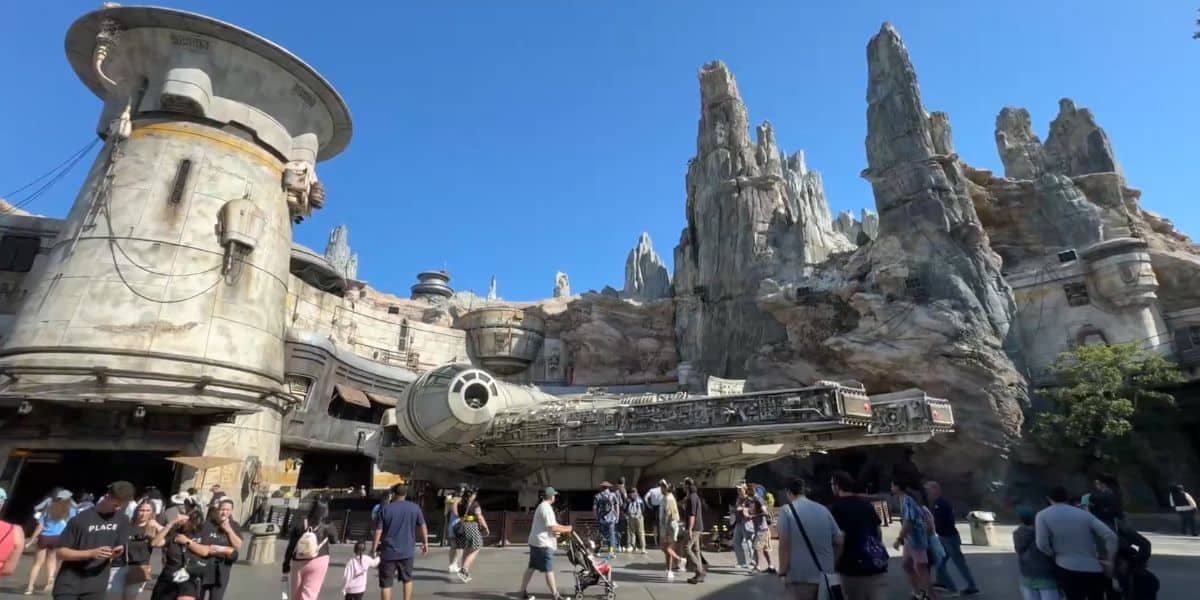
When news broke of a massive chemical emergency forcing 40,000 residents to evacuate areas surrounding Disneyland Resort, it served as a stark reminder of how external emergencies can impact even the most magical places on Earth. While the Happiest Place on Earth continues to prioritize guest safety above all else, this unprecedented situation showcases Disney's remarkable ability to adapt and respond during crisis situations.
The emergency, which escalated rapidly over Friday and into Saturday afternoon, involves a large industrial tank containing thousands of gallons of highly toxic and volatile substances that officials warn could either rupture or explode. The evacuation order affects six cities across Orange County, creating one of the largest emergency responses the region has seen in recent years.
Disney's Legacy of Safety Excellence
For nearly seven decades, Disneyland has maintained an exemplary safety record through meticulous planning, comprehensive training, and state-of-the-art emergency protocols. Walt Disney himself insisted that guest safety would always come first, a principle that continues to guide every decision at Disney parks worldwide.
Disney's approach to emergency management goes far beyond typical amusement park standards. The company maintains its own fire department, medical facilities, and security force, all working in close coordination with local authorities. This multi-layered safety network has proven invaluable during various emergencies over the years, from natural disasters to unexpected incidents.
Coordinating with Local Authorities
During external emergencies like the current chemical spill situation, Disney works closely with Orange County Emergency Services, the Anaheim Fire Department, and other local agencies. This collaboration ensures that any necessary evacuations or safety measures are implemented swiftly and efficiently, always prioritizing the wellbeing of guests and Cast Members.
The resort's emergency operations center serves as a command hub during crisis situations, monitoring conditions in real-time and making rapid decisions about park operations. This sophisticated system allows Disney to respond to changing circumstances within minutes rather than hours.
Historical Context: Disney's Crisis Response
This isn't the first time external events have impacted Disneyland operations. The park has navigated numerous challenges throughout its history, from the 1994 Northridge earthquake to wildfire evacuations and, more recently, the global pandemic. Each situation has strengthened Disney's emergency preparedness protocols.
During the 2017 wildfires that threatened Southern California, Disneyland remained operational while closely monitoring air quality and coordinating with local authorities. The park's ability to maintain normal operations while staying prepared for rapid changes demonstrated the effectiveness of their crisis management systems.
"Safety is our top priority, and we continuously evaluate conditions to ensure the wellbeing of our guests and Cast Members," Disney has consistently stated during various emergency situations.
The Science Behind Disney's Safety Protocols
Disney's emergency preparedness extends to environmental monitoring systems that can detect air quality changes, seismic activity, and other potential hazards. These sophisticated systems provide early warning capabilities that allow the resort to take proactive measures before situations become critical.
The company's investment in safety technology includes advanced weather monitoring stations, chemical detection systems, and communication networks that ensure information flows quickly between different areas of the resort. This technological infrastructure supports the human expertise of Disney's emergency response teams.
Cast Member Training and Preparedness
Every Disney Cast Member receives comprehensive emergency training as part of their onboarding process. This training covers everything from basic first aid to evacuation procedures, ensuring that every team member can contribute to guest safety during unexpected situations.
Regular drills and ongoing education keep these skills sharp, while specialized teams receive advanced training in areas like hazardous materials response and crowd management during emergencies. This investment in human resources creates multiple layers of safety expertise throughout the resort.
Community Partnership and Responsibility
As one of Orange County's largest employers and most significant economic contributors, Disney recognizes its responsibility to the broader community during crisis situations. The company often provides resources and support to local emergency services and has historically opened its facilities to serve as evacuation centers when needed.
This community partnership extends beyond emergency response to include ongoing collaboration on safety planning, resource sharing, and joint training exercises. These relationships ensure seamless coordination when real emergencies occur.
Looking Ahead: Continuous Improvement
While the current chemical emergency situation continues to develop, it will undoubtedly provide valuable lessons for future emergency preparedness. Disney's commitment to continuous improvement means that every incident, whether directly affecting the resort or the surrounding community, becomes an opportunity to enhance safety protocols.
The company's investment in safety technology, training, and community partnerships positions Disneyland to continue providing magical experiences while maintaining the highest safety standards. As this emergency situation resolves, Disney's proven track record suggests that normal operations will resume with even stronger safety measures in place.
For Disney fans and Orange County residents alike, this situation serves as a reminder of the complex coordination required to keep our communities safe. While we hope for a swift resolution to the current emergency, we can take comfort in knowing that Disney's unwavering commitment to safety continues to protect the magic we all cherish.