
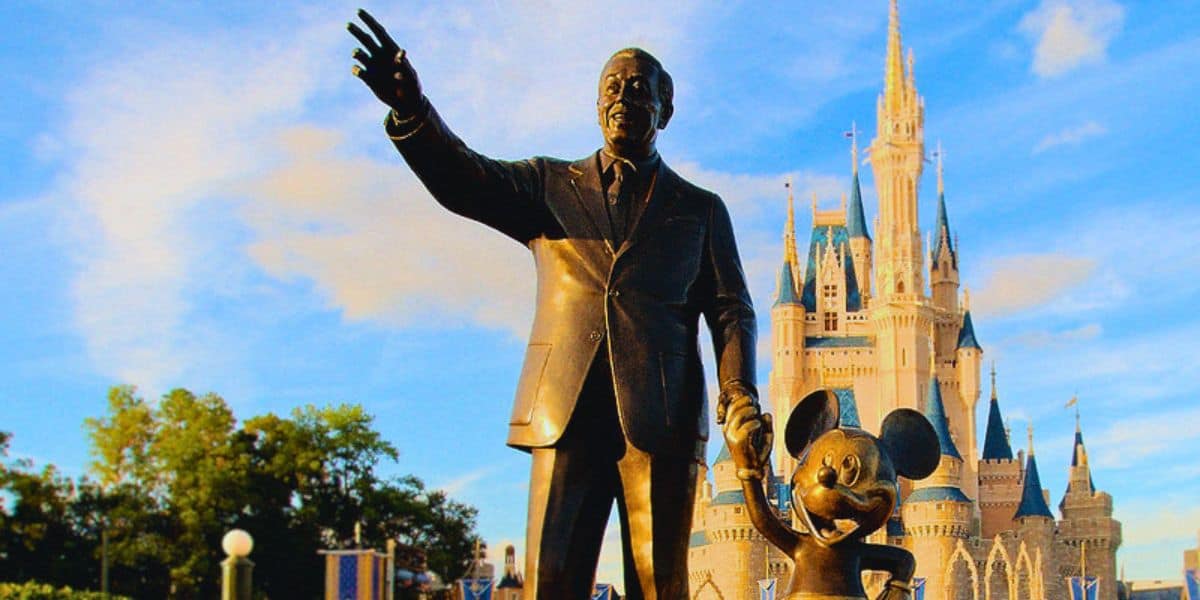
Picture this: a family of four walks down Main Street U.S.A. for the first time, their children's faces glowing with wonder as Cinderella Castle comes into view. For generations, this moment has been the cornerstone of the Disney experience—a magical rite of passage that families saved for years to afford. But as Disney continues to evolve in the 2020s, many are questioning whether the company is shifting its focus from creating childhood memories to capturing adult spending power.
The discussion around Disney's changing demographic focus isn't new, but it's reached a crescendo as ticket prices climb and new premium experiences launch regularly. What we're witnessing isn't necessarily a abandonment of Disney's family values, but rather a complex balancing act between honoring tradition and meeting the demands of a changing marketplace.
The Golden Age of Family Disney
When Walt Disney World opened in 1971, Walt Disney's vision was clear: create a place where parents and children could have fun together. For decades, this philosophy drove every decision, from attraction design to pricing strategies. Families would scrimp and save, often for years, to afford that once-in-a-lifetime Disney vacation.
The magic formula worked beautifully. Disney became synonymous with childhood wonder, and visiting the parks was indeed a rite of passage for American families. Multi-generational trips became tradition, with grandparents delighting in sharing the experience they once enjoyed with their own children.
Enter the Disney Adults
Somewhere along the way, something fascinating happened: those children who grew up with Disney never really left. They became Disney Adults—millennials and Gen X visitors who return to the parks regularly, often without children in tow. This demographic brings something families often can't: significant disposable income and frequent visit patterns.
Disney took notice. And who could blame them? While a family might visit once every few years, Disney Adults often make multiple trips annually. They're willing to pay premium prices for exclusive experiences, limited-edition merchandise, and special events. From a business perspective, this shift makes perfect sense.
The Premium Experience Evolution
Today's Disney parks offer experiences that would have been unimaginable in Walt's era. Consider these recent additions:
- After-hours events with ticket prices exceeding $150 per person
- VIP tours starting at hundreds of dollars per hour
- Exclusive dining experiences like Victoria & Albert's, where dinner can cost $300+ per person
- Limited-time offerings such as the Star Wars: Galactic Starcruiser (though short-lived, it commanded $5,000+ for a two-night experience)
These aren't necessarily replacing traditional Disney experiences—they're supplementing them. Families can still visit Disney World and create magical memories, but the company has expanded its offerings to capture different market segments.
The Economics of Magic
Let's address the elephant in the room: Disney has become expensive. A single-day ticket to Magic Kingdom can exceed $140 during peak times, and that's before factoring in food, merchandise, and accommodations. For many families, the financial barrier has indeed grown higher.
However, Disney's pricing strategy reflects broader economic realities. Operating costs have increased dramatically, from technology investments to enhanced safety measures. The company has also invested billions in new attractions, lands, and experiences. Star Wars: Galaxy's Edge alone cost over $1 billion to develop across both coasts.
"Disney has always been premium, but now it's becoming luxury," notes theme park industry analyst Sarah Mitchell. "The question is whether they can maintain their family appeal while pursuing higher-spending guests."
Finding the Balance
Despite concerns about Disney "abandoning" families, evidence suggests the company is working to serve multiple audiences simultaneously. Recent initiatives include:
- Payment plans for vacation packages, making trips more accessible
- Value seasons with reduced pricing
- Free offerings like the Disney Parks app and mobile food ordering
- Family-focused attractions like Mickey & Minnie's Runaway Railway and Remy's Ratatouille Adventure
The company continues to create content and experiences that appeal to children, while also developing offerings that resonate with adults who grew up with Disney.
The Nostalgia Factor
Part of Disney's appeal to adults stems from nostalgia—the desire to recapture childhood wonder and share beloved memories with friends or partners. This emotional connection runs deep and represents a powerful market force. Disney Adults often become some of the brand's most passionate advocates, sharing their experiences on social media and inspiring others to visit.
Rather than viewing this as Disney "choosing" adults over children, it's more accurate to see it as the company recognizing that its audience has grown up alongside the brand. Those children from the 1980s and 1990s are now adults with their own children, creating a multi-generational fanbase with varied interests and spending power.
Looking Toward Tomorrow's Magic
As Disney continues to evolve, the company faces the challenge of remaining true to Walt's original vision while adapting to modern realities. The key lies not in choosing between families and adults, but in creating experiences that serve both audiences effectively.
Future success will likely depend on Disney's ability to maintain accessibility for families while offering premium experiences for those willing to pay more. This might mean more tiered pricing options, expanded value seasons, or innovative new ways to experience Disney magic at different price points.
The magic of Disney has always been its ability to evolve while honoring its core values. As we look ahead, the most enchanting outcome would be a Disney that continues to create wonder for children while acknowledging that some of its most devoted fans happen to be the kids who never wanted to grow up—and that's pretty magical in itself.