
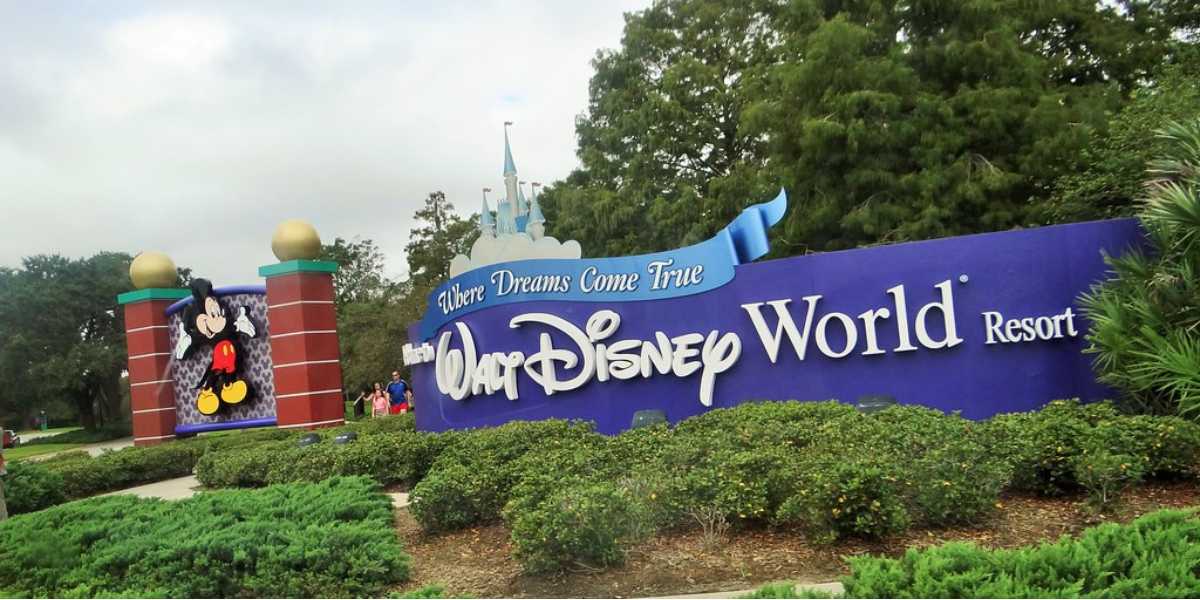
Something unusual is happening at Walt Disney World this summer — and it has plenty of Disney fans talking.
Instead of the packed walkways and long attraction queues that typically define a Central Florida summer, guests have been discovering surprisingly manageable crowds across the resort. Magic Kingdom, in particular, has looked remarkably empty at times during a period that traditionally draws plenty of families to the parks.
So what exactly is going on?
Disney World Is Surprisingly Empty This Summer
Summer has traditionally been one of the busiest times to visit Walt Disney World. Children are out of school, families have more flexibility, and Disney typically prepares for substantial vacation demand throughout June and July.
But summer 2026 hasn't followed that familiar pattern. Magic Kingdom was described as unusually empty during a July morning — by 12:30 p.m., Space Mountain had only a 25-minute wait, Big Thunder Mountain Railroad stood at 35 minutes, and even Seven Dwarfs Mine Train came in at a relatively manageable 50 minutes.
And this doesn't appear to be an isolated slow day. July wait times at Walt Disney World are down compared to last year, with the month tying September 2025 as the quietest month of the previous year. For anyone who remembers spending summer vacations shoulder-to-shoulder with fellow guests at Magic Kingdom, it's quite a change.
So where did everybody go?
Is This a "Recession Indicator"?
Disney World's unusually light summer crowds have naturally raised questions about whether something bigger is happening. One possibility is the economy. A Walt Disney World vacation represents a major expense for many families — once hotels, tickets, transportation, meals, merchandise, and other costs enter the equation, a family of four visiting Magic Kingdom on a peak date can spend hundreds of dollars on admission and parking alone before buying a single meal or adding any paid line-skipping services.
Some observers have described Disney World's extremely low summer crowds as a possible "recession indicator," suggesting families may be pulling back on expensive vacations as they watch their spending. Disney World attendance can offer an interesting window into discretionary spending, since a theme park vacation is something families can postpone when money gets tight. That theory certainly shouldn't be dismissed.
But economic concerns may not tell the entire story.
Disney's Crowds Could Be Shifting Rather Than Disappearing
Here's another possibility worth considering: What if a significant number of Disney guests haven't canceled their vacations at all? What if they're simply waiting?
Think about the choice facing a family that has enough money for one Disney vacation this year. They could visit in July, when Central Florida temperatures regularly reach the 90s and humidity makes spending an entire day outside genuinely difficult. Central Florida has experienced brutal heat this summer, with temperatures climbing into the 90s and heat indexes reaching dangerous levels — Disney World has also dealt with several heat advisories. That can make touring the parks exhausting, particularly for families with younger children.
Or that same family could wait until October, November, or December.
Fall offers something very different. Halloween decorations arrive. Mickey's Not-So-Scary Halloween Party takes over Magic Kingdom on select evenings. EPCOT's International Food & Wine Festival gives guests another reason to visit. Then Disney quickly transitions into Christmas. Suddenly, waiting a few months becomes pretty appealing.
And if thousands of families independently make that same decision, the crowds haven't really disappeared. They've simply moved.
Mickey's Not-So-Scary Halloween Party May Be an Early Warning Sign
We're already seeing one reason to believe Disney World could have a very busy fall. Mickey's Not-So-Scary Halloween Party tickets are selling quickly, with dates selling out at a faster rate than they did at the same point last year.
That's significant because the Halloween Party isn't a small side event. It brings thousands of guests into Magic Kingdom for separately ticketed evenings throughout the season — and those visitors also need hotel rooms, dining reservations, transportation, and potentially regular theme park tickets for the rest of their vacation. A family coming to Disney World for Mickey's Not-So-Scary Halloween Party probably isn't flying into Orlando, attending the party, and immediately going home. They're likely spending additional time around the resort.
That creates a ripple effect. Magic Kingdom may fill up around party dates. EPCOT could see additional traffic from vacationers spending their non-party days there. Hollywood Studios and Animal Kingdom could experience the same thing. And that's before October even arrives.
Halloween Could Look Completely Different From This Summer
Imagine someone visiting Magic Kingdom right now. They might find attraction waits far below what they expected, walking through areas that would traditionally be crowded during summer and wondering where everyone went. Come October, that experience could look completely different.
Halloween has grown into a major Disney World travel season. Mickey's Not-So-Scary Halloween Party gives guests a limited-time experience, while seasonal decorations, food, merchandise, and entertainment provide additional reasons to schedule a vacation around fall. The weather can also become considerably more appealing than the brutal conditions guests face during July and August.
If some travelers who normally would have visited during summer have shifted those trips into September and October, Disney could be heading toward a significant crowd surge.
Then comes Christmas.
Christmas Could Be Even More Intense
Disney World's holiday season already attracts enormous crowds without needing displaced summer travelers. The resort transforms for Christmas, with decorations, seasonal entertainment, special events, and limited-time food giving families plenty of reasons to visit.
Then school calendars come into play. Thanksgiving week traditionally gives families an opportunity to travel without pulling children from school for an extended period. Christmas and New Year's provide an even larger vacation window — and those periods can already be extremely crowded.
Now add the possibility that some families have been intentionally saving their Disney vacations for later in the year. Instead of spreading vacation demand relatively evenly across summer and fall, Disney could see more guests concentrated into a smaller number of highly desirable weeks.
That doesn't mean every day from September through December will suddenly become packed. But guests planning trips around Halloween, Thanksgiving, Christmas, and New Year's should probably prepare for a Disney World that looks nothing like the surprisingly empty resort we're seeing this summer.
The Real Crowd Test Is Still Coming
For now, Walt Disney World's quiet summer remains one of the more interesting theme park stories of 2026. The "recession indicator" theory deserves consideration, especially given how expensive a Disney vacation has become. Extreme heat may be contributing as well. But neither explanation rules out another major factor: changing travel habits.
Families may increasingly prefer spending their Disney money during seasons when they get cooler weather and additional entertainment for their vacation. If that's happening, the real test isn't July — it's October through December.
Mickey's Not-So-Scary Halloween Party selling out dates at a faster pace than last year gives us an early indication that plenty of people still want to visit Disney World this fall. Christmas will provide another major test shortly afterward.
If the parks suddenly fill back up, hotel availability tightens, special events continue selling out, and attraction waits climb substantially, Disney World's summer slowdown may end up looking less like guests abandoning the resort and more like demand simply shifting elsewhere on the calendar.
Disney World may look like a ghost town during portions of this summer. Come Halloween and Christmas, guests may find themselves wishing some of those empty walkways had stuck around.